Resilience meets internationalisation in Croatia with HBOR’s Cuvalo

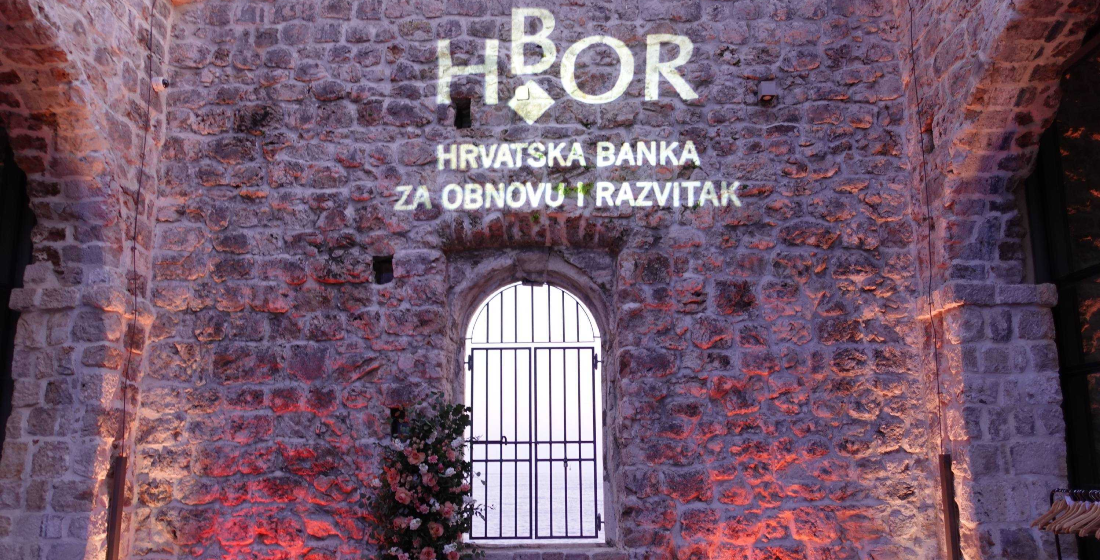
Hrvoje Čuvalo, President of the Management Board of the Croatian Bank of Reconstruction and Development, HBOR, and host of the Berne Union’s Spring Meeting in Dubrovnik, discusses HBOR’s evolution and priorities in export and development finance. How is HBOR developing its resilience and endeavouring to mobilise private capital and internationalise Croatia’s economy?
TXF: What kind of companies is HBOR supporting and what does your product suite look like in terms of loans/private equity support/PRI or commercial insurance/guarantees?
Hrvoje Čuvalo (HČ): As Croatia’s national development and export bank and export credit agency, HBOR has been actively supporting the Croatian economy for more than 30 years through a wide range of financial instruments tailored to the needs of public and private sector entities. One of our core activities is related to the provision of soft loans – both investment and liquidity loans – with favourable conditions designed to support domestic companies across all stages of growth.
HBOR finances a diverse spectrum of enterprises, from SMEs and mid-caps to large corporations and infrastructure projects of strategic national importance. In addition to lending, HBOR also acts as Croatia’s official ECA. On behalf of the Republic of Croatia, we provide export credit insurance, covering commercial and political risks in global markets. Over the past five years, HBOR has insured an average annual export turnover of approximately €382 million, with around 63% related to the insurance of liquidity loans extended by commercial banks to exporters. These activities aim to increase the resilience and competitiveness of Croatian exporters, especially in non-EU and emerging markets. Also, HBOR is an active player in the development of alternative sources of financing.
In partnership with the European Investment Fund (EIF) and other institutions, we support equity and quasi-equity investments through private equity and venture capital funds. Through this comprehensive suite of products – loans, export financing and guarantees, insurance services, and equity instruments – HBOR aims to foster innovation, facilitate green and digital transitions, and help Croatian companies scale up and succeed on global markets.
TXF: How are you developing your own resilience to international/geopolitical headwinds?
HČ: Over the past five years, the global economy has faced unprecedented challenges – from the COVID-19 pandemic to geopolitical instability and market disruptions caused by Russia’s aggression against Ukraine. Throughout this period, HBOR has remained a stable and reliable financial partner for the Croatian economy, actively responding to shocks with targeted support instruments.
As a national development bank, not established for profit purposes, HBOR is willing to take on slightly higher levels of risk compared to other credit institutions but continues to implement good banking and business practices in its operations, thus ensuring viability and ability to support the Croatian economy for years to come.
One of the most significant steps in strengthening our resilience has been HBOR’s active participation in the EU’s Recovery and Resilience Facility (RRF). Under this framework, HBOR has been entrusted with €255 million, by means of which we have developed six different financial instruments aimed at boosting investment in both the public and private sectors. These instruments target key areas such as the green transition, digitalisation, energy efficiency and modernisation of production. All six products are being effectively used by Croatian enterprises, reflecting high market demand and alignment with national development priorities.
TXF: More specifically, how are you supporting Croatia’s exports, and what is your pipeline looking like in 2025?
HČ: HBOR also acts as Croatia’s export bank and national ECA, providing a broad range of tailored support to exporters. Through export credit financing – including buyers’ and suppliers’ credits – issuance of export performance guarantees, and working capital loans, HBOR helps Croatian companies strengthen their presence in international markets. As the national ECA, we provide insurance of export receivables, export credits, performance bonds, and liquidity loans granted to exporters by commercial banks. These instruments help mitigate commercial and political risks, particularly in emerging and higher-risk markets, making our exporters more competitive.
Recently, HBOR expanded its mandate to include financing for domestic entities investing in foreign companies, reflecting our strategic focus on supporting the internationalisation of the Croatian economy. Regarding export credit insurance activities in 2024, the most significant transactions covered were related to the insurance of performance bonds for an electric vehicle (EV) manufacturer and insurance of supplier credits for manufacturers of energy equipment. In 2025 we expect to provide cover for some large shipbuilding transactions, enabling a Croatian shipyard to offer its foreign client attractive, competitive financing terms.
Lately, we have remained strongly committed to supporting sectors with high strategic and development potential, including clean energy, electric mobility, manufacturing modernisation, and the commercialisation of innovation.
One notable example is our long-standing cooperation with Croatia’s leading EV manufacturer – Rimac Group. From its earliest stages, HBOR has supported Rimac’s growth through various instruments, enabling the company to scale globally while remaining rooted in Croatia. This cooperation demonstrates our capacity to identify high-potential companies and provide tailored support through a combination of financial and non-financial instruments.
In addition, through our equity investment programs such as CROGIP and the newly established Vesna Deep Tech Fund (developed jointly with SID Bank and the EIF), we are fostering the growth of deep tech and innovation-driven enterprises.
We also continue to support sustainable tourism, urban regeneration, and energy efficiency projects through specialised credit lines, particularly those cofinanced under the EU’s RRF. These include green and digital transformation projects by SMEs, sustainable public infrastructure, and modernisation of production capacities.
TXF: Do you have an overseas development finance/assistance mandate or is it purely domestic?
HČ: While HBOR’s primary mandate is to support investments and development within the territory of Croatia, our role as an export bank enables us to finance projects and investments abroad – provided that a clear Croatian interest is embedded in the transaction – such as participation of Croatian companies, technology, or supply chains.
In terms of Croatia’s development finance priorities, there is an increasing focus on investments that strengthen competitiveness, regional cohesion, and resilience – particularly in sectors like sustainable infrastructure, innovation, and the green transition. In this respect, HBOR is well positioned to play a bridging role between domestic development priorities and wider regional needs, especially across Southeast Europe.
TXF: How are you helping mobilise private capital? Do you have a remit to work with the private sector to support development in Croatia, and how do you collaborate with other agencies?
HČ: Mobilising private capital is one of HBOR’s strategic priorities, particularly as we strive to bridge investment gaps and scale up the impact of development initiatives in Croatia. We maintain close cooperation with nearly all commercial banks and leasing companies operating in Croatia. These institutions are key partners in implementing our lending programmes either through direct on-lending, cofinancing structures, or through credit lines that offer improved terms for the final beneficiaries. This approach not only extends the reach of HBOR’s capital, but also enables banks to offer competitive financing for projects aligned with national development priorities.
In the domain of export credit insurance and guarantees, HBOR supports commercial banks by covering a portion of the risks they assume, thereby encouraging more active participation in export-related financing. In particular, our insurance of liquidity loans and performance guarantees helps banks confidently finance exporters, especially in emerging or higher-risk markets. Equally important is HBOR’s role in the equity space, where we act as an anchor investor in private equity and venture capital funds that also attract institutional and private investors. This blended finance model multiplies the availability of capital for innovative and high-growth companies.
Notable examples include the [cross-border initiative] CROGIP programme and our support for the Vesna Deep Tech Fund. We also collaborate closely with public institutions at national and European levels such as the EIF, European Investment Bank (EIB), and ministries responsible for EU funds especially in the design and implementation of financial instruments cofunded through European programmes like RRF and ESIF.
TXF: What about your sustainability/ESG mandate – is that likely to change with international headwinds?
HČ: Sustainability is not just a passing trend, it is a structural and strategic priority for the EU and, by extension, for HBOR. While we welcome regulatory simplifications and the reduction of administrative burdens that could make the transition more accessible and efficient, we believe the ambition must remain the same. The focus must be on pragmatic solutions that accelerate transition and ensure long term impact.
At HBOR, sustainability has been a core pillar of our operations for nearly two decades. We have continuously supported renewable energy, energy efficiency, circular economy, and environmental protection projects through our loan programmes. Between 2020 and 2024, HBOR financed green and sustainable projects worth over €800 million, a commitment that clearly reflects our long-standing dedication.
In our new business strategy, we have reaffirmed this commitment by making the promotion of the green transition one of our five strategic goals. We aim to channel at least €1 billion into green transition-related activities during this period, not only through lending, but also via equity investments and guarantee instruments.
TXF: What does the next five years look like in terms of the kinds of deals you’d like to support, particularly given the anticipated OECD accession as early as next year?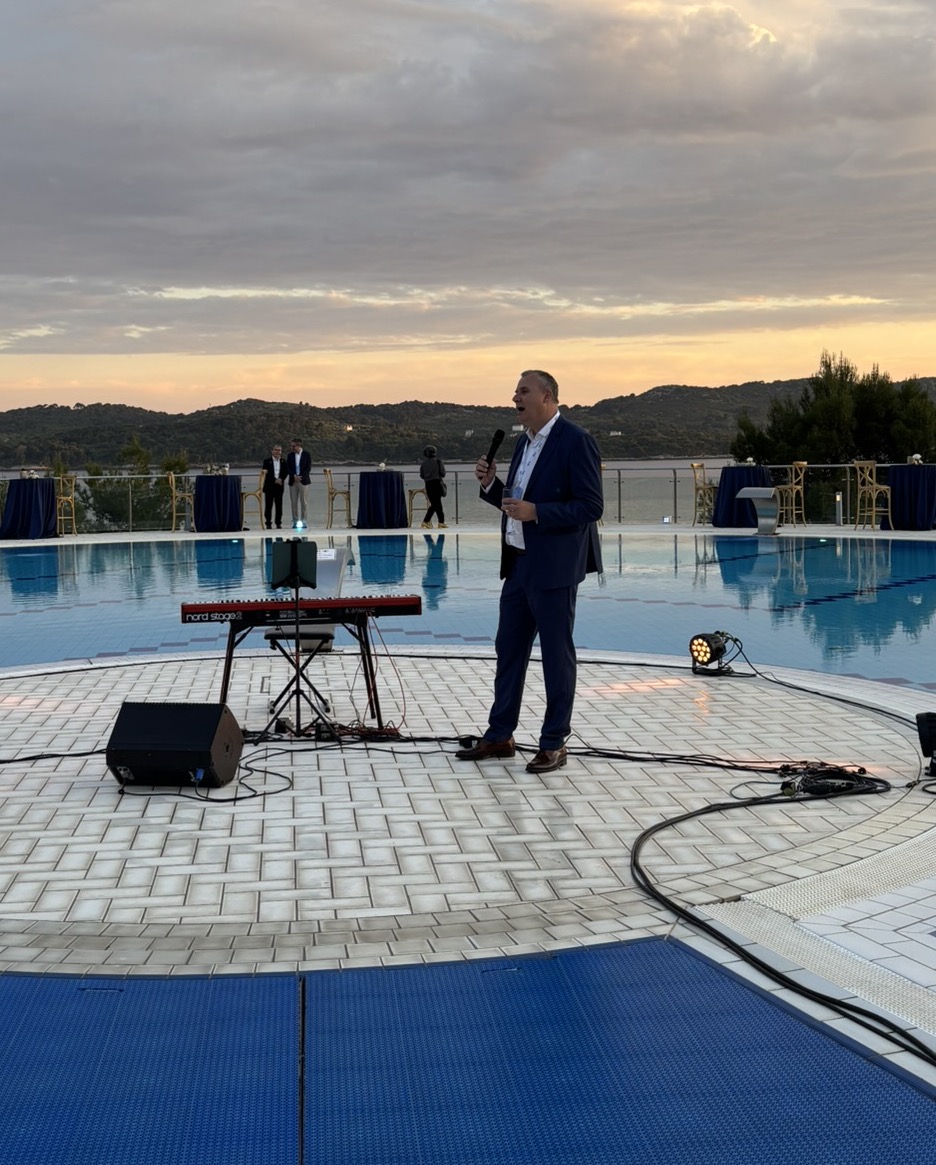
HČ: In line with our strategic goals for 2025-2029, HBOR is committed to playing a pivotal role in financing projects that contribute to building a more resilient, competitive, and sustainable Croatian economy and society. Therefore, in the next five years we aim to prioritise support for the initiatives related to capital markets’ development, balanced regional development, export-oriented and internationalisation projects, manufacturing and industrial modernisation (introducing industry 4.0 technologies and RDI), and of course the green transition and digitalisation.
We also anticipate that funding structures will increasingly rely on a mix of EU, national, and international resources. HBOR is well positioned to play a leading role in structuring such transactions and blending public and private capital.
Finally, as Croatia prepares for OECD accession, HBOR is fully aligned with raising standards in areas such as ESG, governance, and transparency. We view this as an opportunity to further enhance the impact and credibility of our operations, ensuring that HBOR continues to serve as a strategic partner in achieving inclusive and long term economic development.
Čuvalo spoke at Berne Union’s Spring meeting in Dubrovnik in May. A version of this interview appears in Uxolo.